How Do Telecom Rectifier Systems Maintain Reliable Power at Satellite Ground Stations?


Telecom rectifier systems keep power steady at satellite ground stations. They change AC into steady DC, add backup paths, and bring in backup energy. Satellite communications need a stable power supply for LNAs, RF front ends, and tracking satellites all day and night. Voltage drift can disrupt signal reception and satellite links. These systems give steady energy through AC-to-DC conversion, voltage control, backup paths, battery management, and monitoring. This reliable method keeps satellite communications working at every ground station. Satellite operations rely on this. Satellite signals stay clear. Satellite equipment stays safe. Satellite communications stay unbroken. Satellite ground stations trust this method. This reliability protects every critical operation.
Key Takeaways
Telecom rectifier systems turn AC power into steady DC48V power. This steady power keeps satellite signals clear. It also protects equipment.
Keeping voltage steady stops noise. Sensitive satellite gear stays clean. Efficiency above 96% cuts down heat. This saves energy.
N+1 redundancy adds one extra module. This spare capacity handles sudden failures. Satellite ground stations stay online. It prevents power loss.
Battery backup keeps power flowing during outages. Modular batteries allow hot swapping. They share current automatically. Operators replace batteries without downtime.
Use real-time tracking with alarms you can check from far away. This helps you fix things before they break. Workers spot issues early. Satellite signals stay clear. This cuts down on time when the system is not working.
Converting AC to Stable DC Power
The Role of Rectification in Power Stability
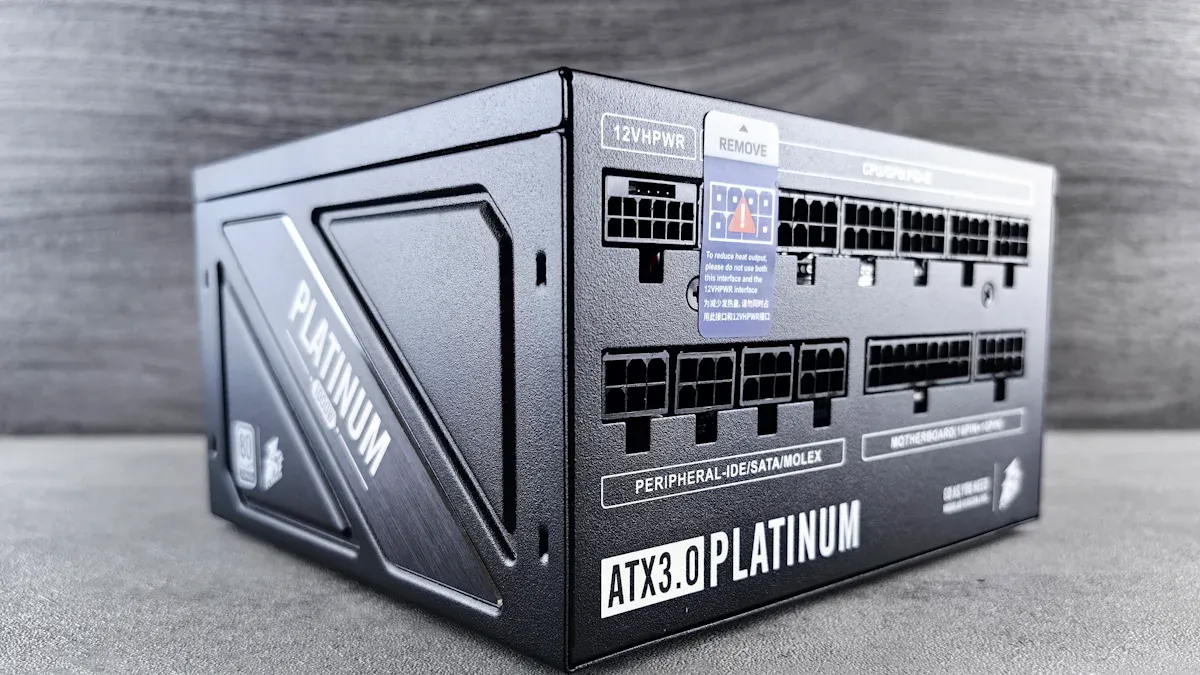
Telecom rectifier systems take AC power from the grid and change it into steady DC power. The input is AC utility power. The output is a steady DC48V. This process is called rectification. Rectification takes away the alternating cycle of AC power. The result is a flat, constant voltage. That constant voltage is very important for satellite ground stations.
A ground station runs many sensitive devices. Low noise amplifiers (LNAs) and RF front ends are two examples. These devices need a clean power source. Any ripple or change in voltage can harm them. A stable DC48V output protects this equipment. It also keeps the signal chain clean. A clean signal chain means better reception. Better reception means stronger satellite links.
The rectifier sits between the grid and the load. It works as a buffer. Grid power is often noisy and unstable. The rectifier separates the load from that noise. This separation is a key part of powering the station with 48 v. The rectifier also adjusts for small changes in input voltage. The output stays at DC48V. This steadiness is the base of reliable satellite communications.
High Efficiency in Power Conversion
Efficiency matters in power conversion. Every watt lost as heat is a watt not used by the load. It also means more heat inside the cabinet. More heat can make electronic parts wear out faster. High efficiency cuts down both energy waste and heat stress.
Telecom rectifier systems are designed for high efficiency. This high efficiency is important for satellite ground stations. These sites often run continuously. Over a year, even a small gain in efficiency saves a lot of energy. That is why energy efficiency is a main design goal for these systems.
The system accepts AC utility input. The output is always DC48V. This makes the system suitable for satellite ground stations.
The modular design of the system adds another layer of value. Modules can be added or replaced without shutting down the whole system. This design supports easy scalability and maintenance. It also cuts down downtime and operational costs. For a satellite ground station, uptime is everything. A reliable power supply keeps the station on the air. It keeps the signal flowing. It keeps satellite communications working.
The stable DC output from the rectifier feeds right into the RF chain. LNAs and RF front ends receive clean, steady power. This clean power lowers interference. It protects sensitive RF ICs. It also helps keep a good G/T ratio. The G/T ratio is a measure of antenna gain to system noise temperature. A stable power supply keeps that ratio high. A high G/T ratio means better satellite signal reception. Better reception means clearer data and fewer dropped connections.
In short, rectification turns raw AC into clean DC. High efficiency keeps that process cost-effective and cool. The stable DC48V output then powers the most sensitive parts of a satellite ground station. This mix of conversion and efficiency is what makes reliable satellite communications possible.
Regulating Voltage for Signal Reception
How Voltage Fluctuations Affect Signal Reception
Voltage ups and downs cause big problems for satellite ground stations. A tiny change in the DC supply voltage can add noise to the signal path. This noise mixes with the weak signals coming from space. The result is a lower quality signal at the receiver. The G/T ratio measures antenna gain against system noise temperature. A higher G/T ratio means better reception. Voltage ripple raises the noise floor. A higher noise floor lowers the G/T ratio. A lower G/T ratio weakens the satellite link from an LEO constellation to a ground station. The downlink becomes harder to track. Data errors increase. The satellite link may drop completely.
Sensitive parts suffer the most. Low noise amplifiers and RF integrated circuits need a clean DC supply. These parts boost very weak signals. Any power supply noise gets boosted too. That noise can hide the actual signal. The receiver then fails to lock onto the satellite. For transmitting and receiving antennas, voltage drift changes the operating point of active components. This drift lowers signal strength. It also increases minimal signal loss across the chain. Reliable satellite communications depend on steady voltage. Even a short fluctuation can cut off service.
Techniques for Maintaining Constant Output
Telecom rectifier systems keep the output at a constant DC48V. They use closed-loop feedback to fix any drift. A sense circuit measures the actual output voltage. It compares this value to a stable reference. Any difference drives a control circuit. That circuit adjusts the switching elements inside the rectifier. The output goes back to DC48V. This correction happens all the time. The result is a stable rail for all connected loads.
The rectifier also filters out ripple and switching noise. Output filters smooth the DC waveform. This step removes high-frequency components. Clean DC power then reaches the RF ICs. Clean power lowers interference. It protects sensitive low noise amplifiers from damage. It also keeps the G/T ratio high. A high G/T ratio supports strong satellite communications.
The telecom rectifier system delivers this stable DC48V output with high efficiency. High efficiency lowers heat inside the cabinet. Less heat means less thermal drift. Less drift means better voltage stability. The modular design adds another benefit. Modules share the load evenly. No single module runs hot. This balance improves long-term stability. It also supports energy efficiency across the site. For satellite ground stations in remote locations, this stable output is critical. It keeps the power clean. It keeps the signal clear. It keeps satellite communications running without interruption.
Redundancy and Load Sharing for Reliability
The Importance of N+1 Redundancy
One power module can stop working. When that happens, the whole satellite ground station loses power. N+1 redundancy fixes this problem. The system has one more module than the load needs. If one module breaks, the others handle the full load. The station keeps running. There is no single point of failure in the power supply.
The telecom rectifier system uses a 19-inch rack disk redundant design. This setup allows flexible expansion. It also gives enough power for communication systems. Three hot-swappable rectifier module ports can make an N+1 redundant system. This design gives fault tolerance for the load. A broken module pulls out easily. A replacement slides in without shutting down the system. Maintenance happens without downtime. This feature matters for continuous-operation places like satellite communications.
The modular design supports easy scalability. Operators add modules as power needs grow. They replace modules without complex rewiring. This approach cuts operational costs. It also boosts reliability for critical satellite links.
How Load Sharing Prevents Overload
Load sharing spreads the work across all active modules. Each module carries its share of the total load. No single module runs at full capacity for long periods. This balance stops overheating. It also makes module life longer. A cooler module drifts less. Less drift means steadier DC output for sensitive satellite signal equipment.
When one module fails, the remaining modules take on its load. They share the extra burden equally. The output stays at DC48V. The satellite signal chain sees no interruption. This seamless transfer keeps satellite communications running. It also protects low noise amplifiers and RF front ends from voltage spikes.
The system includes battery management, temperature probes, and activity alarms. An LED and LCD status display shows real-time conditions. Alarm recording and RS485/SNMP remote operation support proactive maintenance. These features work together. They keep energy efficiency high. They keep the power clean. They keep satellite ground stations online. Redundancy and load sharing form the backbone of reliable satellite operations. They prevent downtime. They protect every critical satellite signal.
Battery Backup for Uninterrupted Power
Seamless Transition During Outages
A power grid failure can happen without any warning. Telecom rectifier systems deal with this by switching smoothly to battery power. The rectifier keeps charging the battery bank while the grid is running. When the grid goes down, the battery takes over the load right away. The DC48V output stays steady. Sensitive equipment never sees a break. This smooth transfer keeps satellite communications working during an outage.
The system uses capacitors in the charger and discharge path. These parts smooth the flow of current. They also protect battery strings from high-frequency ripple. Ripple makes batteries break down faster over time. Clean current helps batteries last longer. It also keeps the emergency power supply ready for the next event.
The telecom solution uses lithium battery backup. The modular battery pack design lets multiple battery modules run in parallel for higher capacity. The system supports hot-swap technology and automatic current sharing. These features keep the power supply stable during the switch. Ground stations in remote areas count on this reliability. A reliable backup means no lost satellite links.
Battery Health Monitoring and Maintenance
Battery health has a direct effect on uptime. Telecom rectifier systems include smart monitoring modules. These modules track charge and discharge management. They also handle battery temperature compensation and low battery conditions. Real-time data helps operators find problems early. Acting early stops a small fault from turning into a full outage.
Mixed-age batteries create serious risks. Older batteries discharge faster and reach full charge sooner than new ones. In a mixed string, old cells run out first. The remaining energy may turn into resistance heating inside those old cells. New cells can push old cells past the safe discharge limit. During recharge, old cells rise to near full voltage quickly. The charge controller then cuts current before new cells fully recharge. Repeated cycles reduce capacity. Some industrial UPS systems recommend replacing entire battery arrays at once for this reason.
The modular battery pack and smart monitoring design avoids these problems. The system is listed as applicable to satellite communication ground stations. Operators gain reliable power, better energy efficiency, and longer battery life. This approach keeps satellite signals clear and satellite communications running without interruption.
Monitoring and Control for Proactive Maintenance
Real-Time Monitoring of Power Parameters
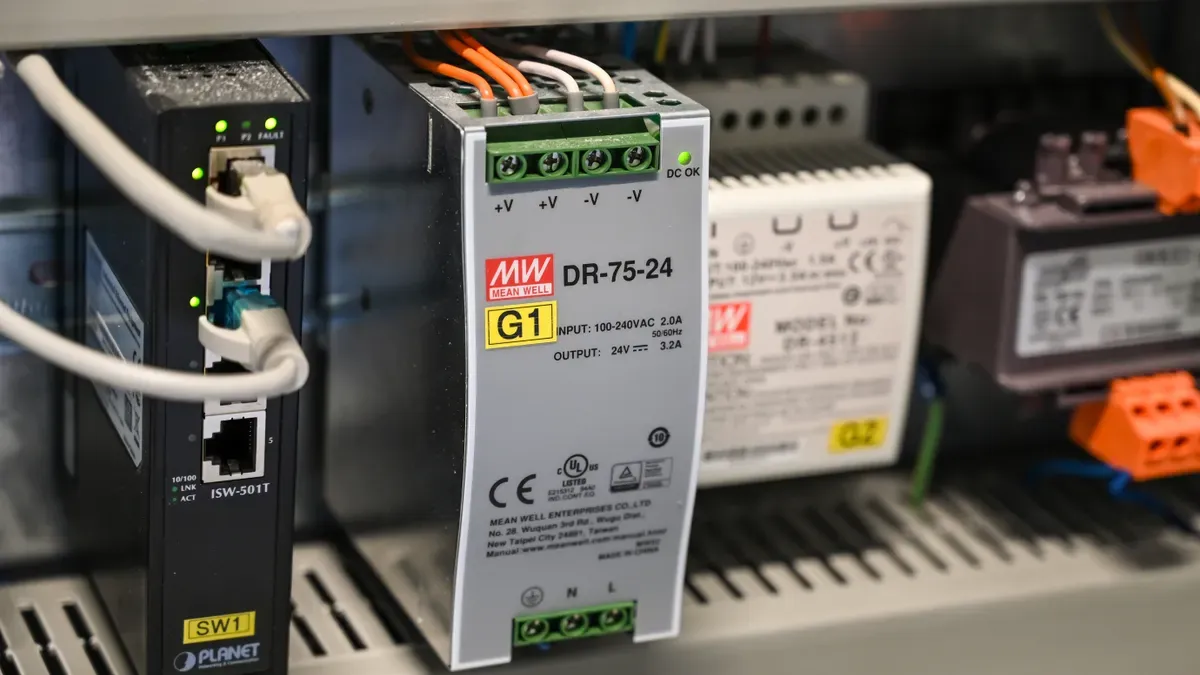
Real-time monitoring protects a satellite ground station before problems start. The built-in controller in the Telecom DC power system checks battery status all the time. It handles charging settings and sounds alarms for low voltage or battery failure. This keeps backup energy ready. Satellite ground stations in faraway places gain the most. Advanced telemetry gives remote diagnostics. Possible issues get fixed before they grow.
Satellite operators need to see every supply path. Live battery status and operating data show small changes before faults happen. Live data sets baselines. When readings move away from that baseline, the system marks it. This method cuts on-site visits in rough terrain and shortens response times. It also protects satellite links. Live telemetry boosts efficiency across the site. Efficiency gains lower operating costs. The result is a power supply that stays clean and steady. Satellite communications depend on this consistency. A small drift lowers the G/T ratio of a satellite downlink. This watchfulness supports long-term stability and protects satellite communications.
Remote Management and Alerts
Remote management turns live data into action. SNMP gives secure local and remote monitoring over Ethernet networks. Operators can reach ground stations from anywhere. They can reset circuits or restart equipment without sending a crew. This cuts downtime sharply.
Alerts strengthen the response chain. Equipment alarms tell operators right away. Offline alarms spot silent devices. Service providers are contacted automatically. Clean signal paths depend on quick correction.
The built-in controller constantly tracks battery status, manages charging settings, and alarms for low voltage or failure. This proactive approach extends battery lifespan and keeps backup energy available.
Data analysis finds repeating issues and fault patterns. Historical data improves maintenance schedules. This ongoing review boosts energy efficiency and operational efficiency. This proactive workflow keeps energy efficiency high. Remote management gives reliable control. Every satellite station depends on these tools. Satellite communications continue without interruption. The satellite receiving chain stays clear. Signal quality remains high. Automated alerts improve response efficiency. The entire station performs with improved efficiency. Preventive maintenance depends on continued efficiency. The monitoring system turns raw data into reliable uptime.
Telecom rectifier systems keep ground station power safe by changing power well and controlling voltage closely. Their N+1 backup stops any single failure from cutting power. Battery backup control keeps satellite work going during outages. Constant watching protects satellite signal quality and saves energy.
These jobs keep power very steady for each site. Satellite communications depend on this trusted setup. Satellite communications make sure signals travel well on every satellite link. Satellite links stay clear and steady. Satellite uptime gets better over time. Satellite communications cut down downtime. Satellite ground stations get long-term energy savings. This system keeps satellite signals clear and gives lasting dependability. Steady communication depends on this protection.
FAQ
What input voltages does a telecom rectifier system accept?
Telecom rectifier systems accept AC input from the grid. The system converts that AC power into a steady DC48V output for sensitive equipment.
How does the rectifier system handle a power module failure?
The system uses N+1 redundancy with hot-swappable modules. If one module fails, the other modules carry the full load without any break. Operators can swap out the faulty module without shutting down the satellite ground station or disrupting satellite communications.
What battery technology works with these rectifier systems?
The telecom solution uses lithium battery backup. The modular battery pack design supports multiple modules in parallel, and the system supports hot-swap technology. This setup keeps satellite links stable during grid outages and protects sensitive RF equipment from power interruptions.
Can operators monitor the power system from a remote location?
Yes. The system supports RS485 and SNMP remote operation. SNMP provides secure local and remote monitoring over Ethernet networks. Operators can access real-time data, fault alerts, and configuration settings from remote locations. This remote capability helps maintain satellite communications at ground stations in remote or hard-to-reach locations.
What efficiency rate does the rectifier system achieve?
Telecom rectifier systems are designed for high-efficiency power conversion. This high efficiency cuts energy waste and lowers heat inside the cabinet. Lower heat means less thermal drift, which helps maintain stable DC output for every satellite signal chain.
See Also
Strategies for Guaranteeing Consistent Power Delivery in Telecom Cabinets
Methods for Calculating Telecom Cabinet Power Systems and Battery Requirements
Essential Information Regarding Key Features of Telecom Power Supplies
Solar Energy Storage Power Systems Designed for Telecom Cabinet Applications
Reasons Telecom Cabinets Utilize -48VDC Voltage and Ground the Positive Terminal
CALL US DIRECTLY
86-13752765943
3A-8, SHUIWAN 1979 SQUARE (PHASE II), NO.111, TAIZI ROAD,SHUIWAN COMMUNITY, ZHAOSHANG STREET, NANSHAN DISTRICT, SHENZHEN, GUANGDONG, CHINA
