How ESTEL Telecom Power Systems and 5G Base Stations Collaborate for Energy Efficiency

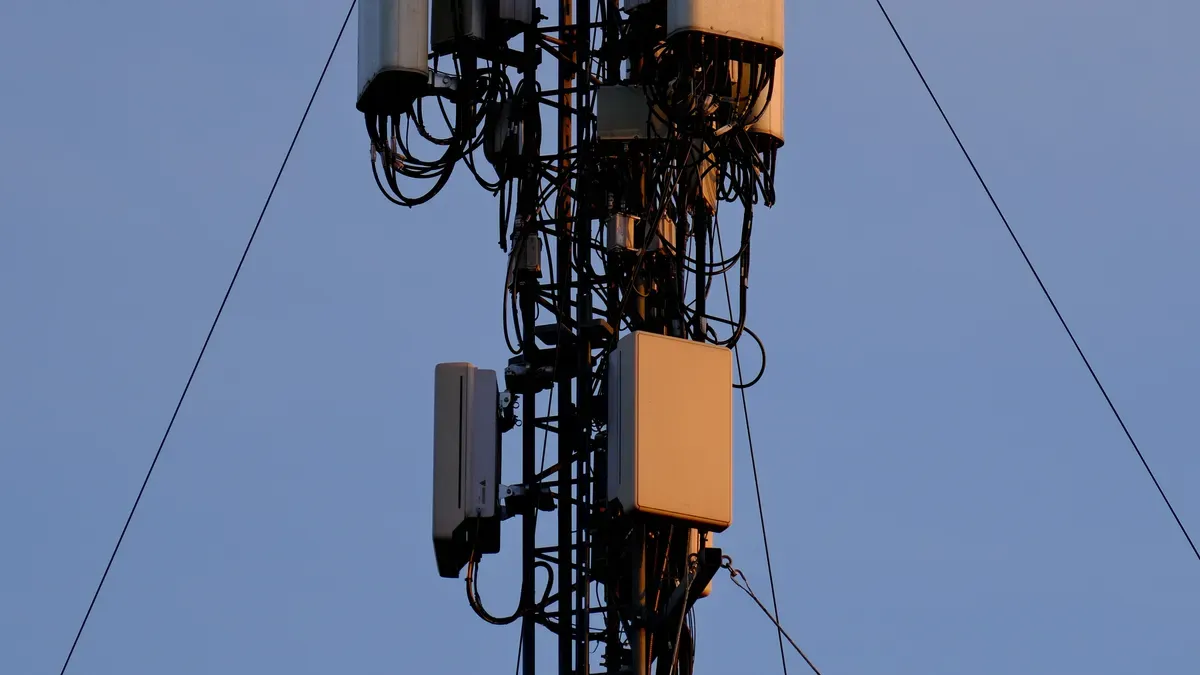
ESTEL Telecom Power Systems team up with 5G base stations to adjust power output in real time. This change matches energy supply to the actual traffic volume. The result is lower energy use without hurting network performance.
The system uses AI and real-time monitoring. It supplies only the power needed at each moment. ESTEL's Telecom Power System supports this model with a wide input voltage range of 90-300 Vac and natural cooling. These features allow adaptive, demand-driven operation.
By using AI, telecom operators can achieve a reduced carbon footprint through smart energy management.
This teamwork cuts emissions and operating costs while keeping service reliable.
Key Takeaways
ESTEL power systems change their power output right away to match 5G traffic. This cuts down on wasted energy.
AI predicts when traffic will spike and controls power delivery, saving 15-30% on energy costs.
Constant watching and automatic controls keep the network working well without any breaks.
Operators save money and reduce their harm to the environment by using less energy and spending less on maintenance.
The system fits standard racks and works with many protocols for easy setup.
How Telecom Power Systems Enable Dynamic Adjustment

Matching Power to Real-Time Traffic
5G base stations do not use the same amount of electricity every hour. Traffic goes up and down during the day. A busy downtown site handles heavy data loads during work hours. The same site may be almost idle at 3 a.m. This up-and-down pattern makes power delivery hard. A fixed power supply wastes energy when things are quiet. It also risks strain when demand is high.
Telecom Power Systems fix this problem by matching output to the real load. The power supply tracks what the base station needs and changes its output voltage and current to match. When traffic drops, the system lowers power delivery. When traffic jumps, it ramps up right away. This dynamic behavior is the base of the ESTEL-5G collaboration.
Real-time traffic volume directly affects power consumption in all deployment environments. Energy use goes up with higher traffic in indoor-hotspot, dense-urban, urban, and rural settings alike. The relationship holds true no matter the location. This makes accurate load tracking key for efficiency.
ESTEL's Telecom Power System supports this variability through two key hardware features. First, the wide AC input voltage range of 90-300 Vac lets the system run reliably across unstable grid conditions. Second, natural cooling removes fans and other moving parts. The system handles changing loads without adding mechanical wear or extra energy overhead. These features enable the adaptive, demand-driven model that defines the ESTEL-5G partnership.
AI-Driven Optimization
Dynamic adjustment alone gives measurable results. Real-time traffic monitoring lets the system turn off certain links or entire base stations during low demand periods. A threshold-based approach can save up to 73% of energy while still keeping user coverage. Automated power response uses closed-loop automation to watch traffic and adjust output instantly without manual input. This cuts interruptions and downtime by reacting to changes in real time.
AI takes these gains further. Machine learning models study historical traffic patterns and predict upcoming spikes. The system gets power delivery ready before demand hits. This predictive capability stops both under-supply and over-supply.
The energy savings from AI-driven optimization are big. Operators using advanced power solutions that adjust output to match real-time demand report a drop in energy costs ranging from 15% to 30%. When compared against traditional control systems, AI-based approaches deliver 15%-25% total electrical energy savings. Against conventional control with integrated power, oxygen, and carbon optimization, the range reaches 18%-25%.
At the Stellantis plant in Rüsselsheim, etaONE® cut electrical energy consumption for ventilation by over 60%. This was achieved using a hybrid digital twin and predictive control strategies that continuously adapt to real-time conditions.
This example shows the power of predictive control in industrial settings. The same principles apply to 5G base station power management. AI setpoint optimization delivers a 20-35% reduction in energy costs when compared against fixed-schedule systems, without compromising performance.
The combination of real-time monitoring, threshold-based control, and AI prediction creates a self-regulating power ecosystem. The base station gets exactly the energy it needs at every moment. Nothing more, nothing less.
Real-Time Monitoring and Feedback Loops
Traffic Volume Sensing
ESTEL Telecom Power Systems and 5G base stations work together, and it all begins with sensing traffic accurately. Sensors built into the base station watch data flow all the time. They track how many devices connect, how much data moves, and when usage goes up or down. This information changes every second. A busy stadium during a game creates heavy traffic. That same spot after midnight carries almost no load.
AI software looks at this data in real time. It picks up patterns from past traffic trends. For instance, the system knows office areas have high traffic during work hours and low traffic at night. With this knowledge, AI predicts spikes that are about to happen. The system sends these predictions to the ESTEL power system as signals. The power system then gets ready to adjust its output.
The sensing layer does more than just measure traffic volume. It also picks up voltage changes from the grid. ESTEL's power system gets this information through multiple communication ports. This real-time data flow lets the system act right away when conditions change. The result is a steady, accurate picture of what the base station needs.
Automated Output Control
Once sensors and AI give the traffic data, the feedback loop closes with automated output control. The ESTEL power system gets the signal and changes its voltage and current output to match the load. When traffic drops, the system lowers power delivery. When traffic rises, it boosts output right away. This automatic response happens without any person stepping in.
Reliability stays a top priority during these adjustments. The control loop has multiple backup layers to prevent power interruptions. These mechanisms include:
Power supply redundancy: dual power supplies pulling from separate sources, plus uninterruptible power supplies (UPS) that cover any transfer gaps.
Network redundancy: dual communication paths and automatic rerouting through industrial Ethernet protocols. This makes sure control signals always reach the power system.
Software-based redundancy: duplicate processing and automatic recovery routines that keep things running if a component fails.
A real-world example shows how this works. A wastewater treatment facility set up an automatic failover system with dual programmable logic controllers (PLCs). One PLC acts as the master controller. A dedicated bit keeps an output energized. If the master fails, the output de-energizes, which triggers relays that send control to the backup PLC. The system keeps parameters synchronized at all times. During failover, only a manual cable move is needed. This design prevents power interruptions and avoids emergency callouts.
Redundant control loops mean the ESTEL system never stops delivering power. Safety and uptime stay intact even during adjustments.
These mechanisms make sure the power system responds to traffic changes without adding risk. The base station gets exactly the energy it needs, every moment, with no interruptions.
Key Benefits for Telecom Operators
Energy and Cost Savings
Telecom companies face higher electric bills and pressure to cut carbon emissions. ESTEL's power system solves both issues. It gives only the power that a 5G base station needs at each moment. This method creates clear savings in many ways.
Metric | Quantified Savings |
|---|---|
Energy Consumption Reduction | 15% lower, up to 41% less, 30% lower (varies by scenario) |
Operational Cost Savings | 20–30% reduction |
Maintenance Cost Savings | 40% less |
Downtime Reduction | Up to 25% less |
Cooling Cost Reduction | 10–15% drop |
Power Waste Reduction | Up to 30% |
Annual Savings | Over $163 million |
Equipment Uptime Improvement | 25% higher |
These numbers show real money saved. Companies can use the savings to grow their network or add new services. The environment also benefits. Using less energy cuts the carbon footprint of each base station site.
Enhanced Reliability
Natural cooling helps make Telecom Power Systems reliable. The design removes fans and other moving parts from the cooling path. Fewer parts mean fewer things that can break. This is helpful in faraway places where fixing things is expensive and slow.
Passive cooling systems, like those with smart dampers, have no parts that can break. This makes them very reliable, especially in faraway places where fixing them is hard. They also cost nothing to run because they do not use electricity.
The benefits for reliability go beyond cooling. Automatic power control has backup power supplies, two communication paths, and software that recovers from problems. These layers stop power cuts when traffic changes. The result is a power system that adjusts all the time without adding risk. Companies get steady uptime and lower repair costs at the same time.
Addressing Implementation Challenges
Handling Traffic Spikes
Traffic spikes test any power system. A sudden surge in data demand makes the base station use more power. ESTEL systems use a modular rectifier design to handle this. Each module works on its own. If one module fails, the others keep running. This design stops one broken part from shutting off power during busy times.
The modular design also lets operators add power when they need more. They add more modules to expand the system. This avoids a full system replacement. Hot-swappable modules let workers swap parts without turning off the network. This works for big 5G rollouts and small edge sites.
The modular design lets you scale up. As your power needs grow, you can add more modules instead of replacing the whole system. This makes it a cheap and flexible solution for expanding infrastructure.
Voltage changes make things harder. ESTEL tests its modular rectifier systems to make sure they can handle voltage changes and very hot or cold temperatures. The wide input range of 90-300 Vac deals with grid problems. This testing makes sure the system works for telecom power cabinets.
Query Aspect | Evidence from Source |
|---|---|
Scalability | Modular rectifier systems are like building blocks. You add modules to increase capacity. Hot-swappable modules let you replace them while the system is on. |
Voltage Fluctuation | Systems are tested to resist voltage changes and extreme temperatures. |
Seamless System Integration
Putting a new power system into an existing 5G setup can seem hard. ESTEL makes it easier by using standard 19-inch racks. The outdoor telecom cabinet holds the equipment, power systems, and batteries. It has standard 19-inch rails and battery shelves. A 32U 19-inch rack inside gives high compatibility. This standard design lets power systems fit easily into telecom cabinets.
The installation is clear. Workers mount the power system on the 19-inch rack or inside the cabinet. Many communication ports link the system to base station controllers. The wide input voltage range handles grid voltage changes. This cuts the need for extra voltage equipment. The result is a faster, cleaner setup with fewer problems.
Implementing ESTEL’s Power Solution

Assessment and Planning
A good deployment begins with a full site audit. The audit checks current energy use, traffic patterns, and grid conditions at the base station. This baseline shows where the system can save the most energy.
During planning, the team estimates energy-saving potential using a structured design process. First, an energy-balance study sets a baseline of yearly energy usage. Then, challenge and analyze sessions find major energy uses and practical opportunities. The team scopes and costs each opportunity for management review. Waterfall graphs show the savings from each opportunity. This process also considers interactions between measures, like a thermal saving that raises electricity consumption. In one API plant case study, this approach found refrigeration improvements expected to cut site electricity by 20% and a heat pump expected to deliver 20% thermal savings. If all opportunities were used, site energy usage would drop by more than 50%.
Installation and Deployment
Installation follows a clear order. Workers prepare the workspace by removing unneeded tools and cables. They place the power unit where airflow and access are best. Mounting brackets hold the unit in place. Technicians avoid crowding inside the telecom cabinet to keep airflow moving. In high-density environments, vertical installation is an option. Workers replace worn or damaged parts quickly and check all incoming and outgoing wires before installation.
Integration with base station controllers uses standard protocols. ESTEL Smart PDUs support Modbus/TCP, SNMPv3, and MQTT for linking Telecom Power Systems to telecom management tools. Open APIs allow smooth data sharing with third-party platforms. Each protocol serves a different need. The Smart PDU can connect directly to SDN networks, letting power and network traffic be controlled from one interface.
Deployment also includes training O&M teams. Training covers integration of diverse technologies, compliance with regulations, and stakeholder collaboration. Partnering with ESTEL gives predictive maintenance tools and regular monitoring. These services cut equipment failure risk by up to 30% and troubleshooting time by 30%. Battery failure rates dropped by 98% from 2018 to 2024. Maintenance costs fall by up to 25%, operational efficiency improves by 30%, and MTTR drops from 4.8 hours to 3.1 hours.
ESTEL Telecom Power Systems and 5G base stations make a strong team. They change power output based on real-time traffic volume. This teamwork brings clear cuts in energy use and operating costs. Network reliability gets stronger at the same time.
Telecom operators get a real-time, automated way that cuts waste and keeps service steady. The system reacts right away to changing demand. It never gives more power than needed.
Operators can go to ESTEL's website to learn how their Telecom Power Systems can be fit for specific 5G deployments. Smart power management will shape sustainable telecom networks for years to come.
FAQ
How does the system save energy?
The system changes power output to match real-time traffic volume. AI predicts demand and controls delivery on its own. This cuts energy use by 15 to 30 percent depending on site conditions.
How does the system handle traffic spikes?
A modular rectifier design handles traffic spikes in a reliable way. Each module works on its own. Operators add hot-swappable modules to boost capacity without shutting off the network.
How does natural cooling improve reliability?
Natural cooling takes out fans and other moving parts. Fewer parts mean less maintenance and better reliability. The system adapts to changing loads without using extra energy for cooling.
Is the system compatible with existing 5G infrastructure?
Yes. The system fits standard 19-inch racks and telecom cabinets. A wide input voltage range of 90 to 300 Vac handles grid ups and downs. Multiple communication ports make integration with existing equipment easy.
What communication protocols does the system support?
The system supports Modbus/TCP, SNMPv3, and MQTT protocols. Open APIs allow smooth data sharing with third-party platforms. This makes integration with base station controllers simple.
See Also
Understanding The ESTEL Telecom Cabinet Power System Explained
ESTEL Smart Microgrid Integrated Telecom Cabinet Energy Storage System Overview
Energy Storage Batteries Designed For ESTEL Telecom Cabinets
Photovoltaic Energy Storage Power System For Telecom Cabinet Applications
Calculation Methods For Telecom Cabinet Power Systems And Batteries
CALL US DIRECTLY
86-13752765943
3A-8, SHUIWAN 1979 SQUARE (PHASE II), NO.111, TAIZI ROAD,SHUIWAN COMMUNITY, ZHAOSHANG STREET, NANSHAN DISTRICT, SHENZHEN, GUANGDONG, CHINA
