How to Integrate Telecom Rectifier Systems into a Unified Smart Park Energy Management Control Platform

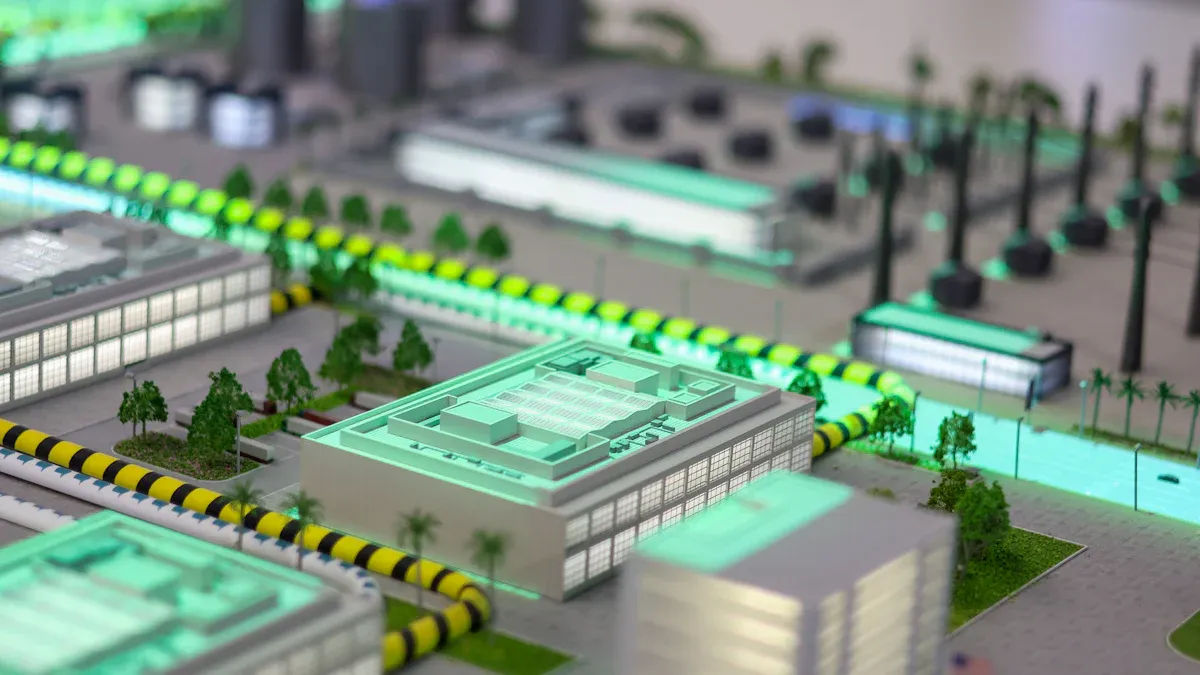
Your park likely runs telecom rectifier systems, solar, storage, and EV charging as separate silos. This wastes energy and leaves blind spots in your power picture. What does it truly take to bring these assets into one unified control platform? You gain lower energy costs, stronger resilience, and new revenue from demand response. ESTEL-style unified control platforms and Telecom Rectifier Systems now make this integration practical. With smart energy management, you can achieve real-time monitoring across your entire telecom power system. The platform also supports your energy management goals. This energy shift reduces waste. That energy saving matters. Every energy decision improves. Your energy future starts here. Reliable power depends on it. Clean power drives it.
Key Takeaways
Integrating telecom rectifiers with solar, storage, and EV charging into one platform cuts energy costs and boosts resilience.
A unified platform gives you real-time monitoring and control across all energy assets, eliminating data silos.
Follow a step-by-step roadmap: audit assets, deploy gateways, standardize data, and pilot a microgrid before scaling.
Overcome integration challenges with protocol gateways for legacy rectifiers and strong cybersecurity measures.
Future trends like AI optimization and open standards will make integration easier and more valuable over time.
Why Smart Parks Need Telecom Rectifier Systems Integration
The Cost of Siloed Energy Assets
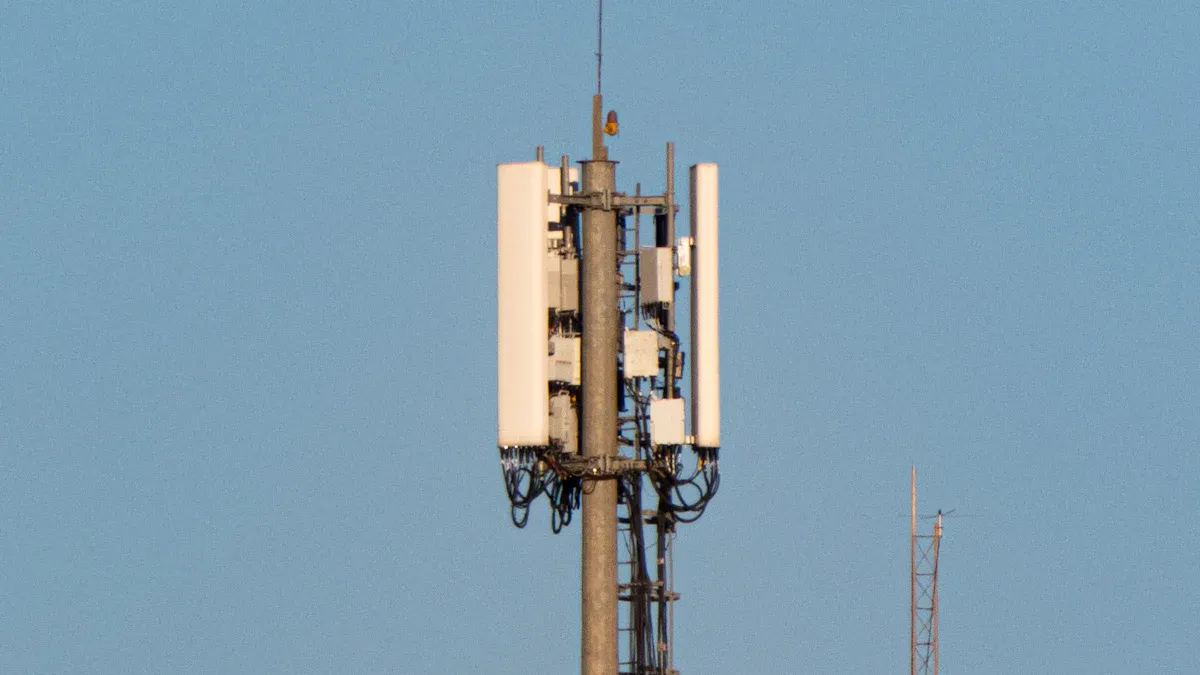
You feel the pain when rectifiers, batteries, and cooling units run on separate systems. Each asset reports to its own dashboard. No one sees the full power picture. This fragmentation wastes energy and raises OPEX. Your park pays for power twice: once at the meter and again through inefficiency. A rectifier may run at full load while solar sits idle. Storage charges at peak rates because no control loop connects it to demand. EV chargers pull power without coordinating with building loads. You cannot optimize what you cannot see. Real-time monitoring across all assets remains impossible when data lives in silos. The result is higher costs, lower resilience, and missed revenue from demand response.
What a Unified Platform Delivers
A unified control platform for multiple subsystems changes everything. You get one data model, one control loop, and one dashboard. The smart park energy management integration of telecom rectifier systems brings rectifiers, batteries, and cooling subsystems under a single view. This integration enables smart energy management across your entire site. Modern telecom power systems now incorporate energy management technologies and green materials. Solar panels, bifacial modules, and perovskite cells capture more sunlight. Li-ion battery banks provide 2–6 hours of backup power. Smart BMS tracks charge cycles and temperature. Hybrid controllers manage source switching across grid, battery, and solar. AI-driven controllers reduce fuel burn. Remote monitoring systems give you real-time visibility of power status and alarms. These tools support the green transformation of smart parks. A unified control platform in telecom parks turns isolated equipment into a coordinated energy asset. You gain lower costs, better resilience, and new revenue streams.
Unified Platform Architecture for Telecom Power System Integration
Layered Architecture and Data Flow
A unified platform architecture for telecom power system integration rests on four distinct layers. The device layer includes rectifiers, batteries, and cooling units alongside PV inverters and EV chargers. The gateway or edge layer collects data from these assets and translates between protocols. The platform layer stores and processes that data. The application layer delivers dashboards, alarms, and control interfaces to your operators.
Data flows upward from device to application. Your rectifier sends telemetry through the gateway to the platform. That telemetry includes DC48V output, current ranging from 6A to 125A, and high efficiency. Control commands flow back down the same path. You can adjust output voltage, limit current, or switch operating modes in real time. This two-way flow enables real-time monitoring and responsive control across your entire site.
Telecom rectifier systems also integrate with SCADA systems that telecom companies commonly use for facility management. This connection enables seamless monitoring and control without replacing your existing infrastructure. AIoT-based energy management platforms, such as DeltaGrid-style systems, integrate PV, storage, and EV chargers into one view. These platforms prove highly relevant for smart park energy management because they unify diverse assets under a single data model.
Smart Park Energy Management Integration of Telecom Rectifier Systems
ESTEL's Telecom Rectifier System simplifies unified platform integration through thoughtful design choices. The system uses modular 2U, 3U, and 6U rack-mount designs. It accepts AC220V or 380VAC input and delivers stable DC48V output. Standard 19-inch rack compatibility means you can install it in existing cabinets. Copper bar grounding improves safety and reduces electrical noise. A flexible cable inlet design eases installation under different site conditions.
Integration Advantage | How It Helps Your Platform |
|---|---|
Modular architecture | Simplifies scaling and maintenance |
Output current options 6A to 125A | Covers small remote sites through larger central offices |
Wide AC input compatibility | Absorbs grid surges and sags without passing them to DC output |
Standard rack compatibility | Fits 6U, 3U, and 2U configurations in 19-inch racks |
Continuous operation | Rectifiers keep running even if a controller fails |
Lithium telecom batteries integrate with rectifiers and DC power systems to ensure stable voltage. These batteries include intelligent BMS for enhanced performance. The BMS tracks charge cycles, temperature, and state of health. This data flows into your unified control platform alongside rectifier telemetry. You gain a complete picture of power availability and battery readiness.
The integration of rectifiers, batteries, and cooling units under one platform delivers seamless subsystem integration. You achieve smart energy management across your park. Advanced telecom power systems now support this level of coordination. Your energy management systems can balance loads, shift demand, and optimize efficiency across every connected asset. The result is a telecom power system that works as one coordinated unit rather than isolated parts.
Implementation Steps and Microgrid Integration

Step-by-Step Integration Roadmap
You need a clear roadmap to move from isolated assets to a coordinated microgrid. Follow these steps to structure your integration process and best practices.
Audit every asset on site. Record the age, protocol, and capacity of each rectifier, battery bank, solar inverter, and EV charger.
Map the protocols each device speaks. Note which units support Modbus, SNMP, or other open standards.
Deploy gateways at the edge. These devices translate legacy signals into a common language your platform can read.
Align your data model. Give every measurement a consistent name, unit, and timestamp across all assets.
Design control logic. Define how the platform should respond when demand spikes, solar output drops, or a battery reaches a threshold.
Run a pilot on one feeder or building. Validate data flow and control commands before you scale.
Scale up across the park. Add assets in phases as your confidence grows.
ESTEL's Telecom Rectifier System supports this rollout through its modular design. You can expand capacity without replacing the whole system. Modular systems deploy roughly 40% faster than fixed modules, and upgrades finish up to three times faster. Hot-swappable modules let you perform maintenance without shutting down the power path. This approach reduces downtime and operational costs during every phase of your rollout. Lithium-based batteries with over 10 hours of backup duration suit multi-operator cabinets and keep your energy storage reliable.
Case Study: Park Microgrid
Consider a business park that ran its telecom rectifiers, rooftop solar, a battery room, and EV chargers as separate systems. The facility team could not see total site power or shift loads between assets. They started with an asset audit and found that their rectifiers lacked modern communication ports. Gateways solved that gap. Within one pilot building, the team linked rectifiers, solar inverters, and one battery bank to a single dashboard.
The results were qualitative but meaningful. The site shaved its peak demand by discharging batteries during high-tariff hours. Solar production no longer went to waste when rectifier load was low. The park enrolled in a demand response program and earned revenue for reducing load on request. Diesel generator runtime dropped because the battery bank covered short outages that previously started the generator. Real-time monitoring gave operators early warning of a failing rectifier fan, which they replaced before it caused an outage.
The team then scaled the same unified platform architecture to more buildings. Each new building reused the same data model and control logic. This repeatable approach kept integration costs low and avoided vendor lock-in. The park now treats its telecom power system as one coordinated asset rather than a collection of parts. Your park can follow the same path. Start small, prove the value, then expand.
Overcoming Integration Challenges
Protocol Gaps and Legacy Rectifiers
Your legacy rectifiers use older serial protocols. Your new system expects modern open standards like Modbus TCP. This protocol mismatch blocks direct integration. Gateways solve this gap. These devices translate legacy signals into the common language your unified system reads. Protocol converters and SCADA bridges help. You keep existing equipment without replacement. This approach saves capital and accelerates your integration timeline.
ESTEL's Telecom Rectifier System eases this retrofit. Its standard 19-inch rack installation fits existing cabinets. The flexible cable inlet simplifies wiring changes. You avoid major rewiring. This compatibility supports smooth integration with your existing telecom power system. Your energy goals require stable power through integration. Energy flows must match demand.
Cybersecurity and Control Boundaries
Connecting rectifiers to a unified dashboard creates new attack surfaces. Your telecom power system now touches a network open to other building systems. You must protect rectifier operations from cyber threats. Your energy management goals depend on secure power delivery.
Authentication becomes your first defense. Fuse badge access with login logs and firewall traffic. This correlates physical and digital events. You know who entered a room and what they did on the network. Access control boundaries strengthen protection. Apply Zero Trust to your facilities. Don't restrict networks alone — restrict access to the spaces housing them. A real-world example shows this approach. A late-night entry to a facility room triggered an automated command. That command isolated the terminal from the OT network. Authentication detected the badge alert. Access control enforced network isolation. This layered defense protects your energy management operations.
Segment your control networks. Keep rectifier communication on a separate VLAN. Define clear boundaries between rectifier systems and the unified dashboard. Your system can send setpoints. It should not access every parameter. Limit write commands to defined actions. This boundary prevents misconfiguration and attacks.
These cybersecurity measures protect your smart energy management investment. They ensure real-time monitoring introduces no new risk. You gain integration benefits without compromising energy delivery. Your power remains reliable. Your telecom power systems stay secure. Your energy management platform delivers value. This energy management approach supports your power goals. The energy savings compound over time. You build a resilient power infrastructure. This power approach keeps your energy systems secure.
Future Trends in Park Energy Management
AI-Driven Optimization and V2G
Artificial intelligence reshapes how you manage energy across your park. Reinforcement Learning and Multi-Agent Reinforcement Learning drive predictive load balancing across rectifiers, storage, and EV chargers. These algorithms learn from historical patterns and real-time monitoring data. They anticipate demand spikes before they occur. The system then adjusts charging rates, battery schedules, and rectifier output automatically. This reduces energy waste without manual intervention.
Anomaly detection spots irregular power draw early. You receive alerts before a small issue becomes a major outage. This proactive approach keeps your telecom power system reliable.
Vehicle-to-Grid technology adds another layer of integration. EV chargers become bidirectional assets. They pull power from the grid or push energy back when demand peaks. This turns vehicles into a distributed energy resource. Advanced telecom power systems now support energy flow in both directions. Your energy management platform orchestrates these transactions. This control loop adapts to grid conditions and site loads continuously. Energy flow in both directions gives you flexibility. You can buy low and sell high.
Standards, Open APIs, and Scalability
Open standards and APIs reduce the friction of integration. Rectifiers, batteries, and chargers speak the same protocol language. You avoid custom gateways and vendor lock-in. Energy management systems become simpler to deploy and maintain. This lowers costs and accelerates rollout schedules.
Scalability follows naturally from modular design. ESTEL's Telecom Rectifier System uses 2U, 3U, and 6U rack-mount configurations. You add capacity in small increments as your park energy needs grow. Each module slides into a standard 19-inch rack. No rewiring or downtime required. You expand without large upfront capital investment. Smart energy management becomes easier with compatible modular hardware.
This trend supports the green transformation of smart parks. Energy-efficient designs and environmentally friendly materials reduce carbon footprint. Your unified system optimizes every asset for minimal waste. Power reliability strengthens across all subsystems. Power availability increases. Control over each asset improves. Energy goals become easier to achieve as AI learns your site patterns. Energy savings compound over time. Power quality improves across the site. Power flow becomes predictable and stable. Power capacity utilization rises. Seamless integration of new equipment becomes routine. Energy optimization becomes automated and continuous.
You started with isolated rectifiers and ended with a unified control platform. Three actions deliver the highest leverage: audit every asset, standardize protocols, and pilot a microgrid use case. Open standards and AI will make integration easier and more valuable over time. Start small with proven hardware like ESTEL's Telecom Rectifier System. Your energy future depends on the choices you make today. Begin your integration journey now.
FAQ
How do you integrate legacy rectifiers into a unified platform?
Gateways translate older rectifier protocols into a language your platform reads. This integration avoids costly replacements. Your control over energy visibility improves. Your energy management uses full data. Energy decisions now rely on complete information. Data flows freely. Energy coordination strengthens.
Can AI really optimize park energy use without manual effort?
AI algorithms learn your site patterns. They adjust energy charging schedules and energy discharge timing automatically. This smart energy management cuts energy waste. You maintain control through dashboard setpoints. Energy optimization happens without manual intervention. Energy savings compound daily.
How do you protect your system during integration?
Segment rectifier networks on a separate VLAN. Define clear boundaries between your control system and your dashboard. Real-time monitoring shows you energy flows without exposing critical systems. This integration protects power availability. Your power infrastructure stays reliable. Energy security improves.
Does the platform support future expansion?
Modular 2U, 3U, and 6U designs allow incremental capacity expansion. This integration with your platform uses standard 19-inch racks. No rewiring interrupts energy delivery. Each module supports growing energy needs. Energy capacity scales smoothly. Power availability increases. Energy reliability strengthens.
See Also
Solar Energy Storage Solutions For Telecom Cabinet Systems
Grid Tied Solar Inverters And Batteries For Telecom Cabinets
Integrated Smart Microgrid Energy Storage For Telecom Cabinets
Ensuring Uninterrupted Power Supply In Telecom Cabinet Guide
CALL US DIRECTLY
86-13752765943
3A-8, SHUIWAN 1979 SQUARE (PHASE II), NO.111, TAIZI ROAD,SHUIWAN COMMUNITY, ZHAOSHANG STREET, NANSHAN DISTRICT, SHENZHEN, GUANGDONG, CHINA
